
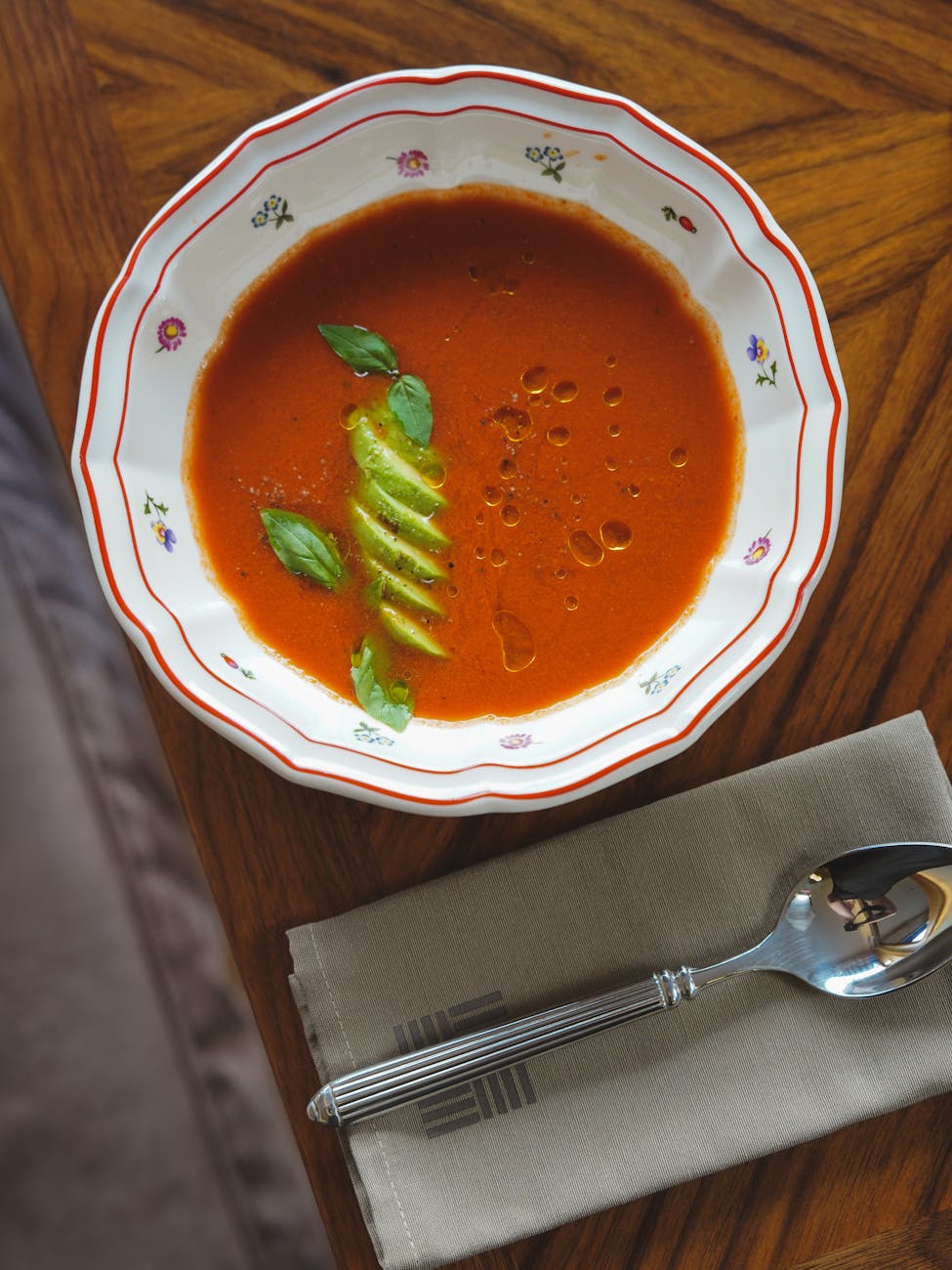
Tomato soup is a pantry staple, valued for its simplicity, comfort, and long shelf life. However, like many packaged foods, it has occasionally been subject to recalls due to ingredient contamination, labeling errors, or packaging issues.
These recalls are typically precautionary and handled quickly, but they highlight how even familiar products can face safety concerns. Understanding the reasons behind these removals can help consumers stay informed without unnecessary alarm.
Campbell’s Tomato Soup Recall (Packaging Contamination)
Campbell’s has faced recalls in the past tied to potential packaging issues rather than the soup itself. In some cases, linings or foreign materials raised concerns about contamination.
These situations are usually caught during quality checks or reported quickly after distribution. The company typically issues voluntary recalls to prevent any risk to consumers.
- Potential packaging defects
- Risk of foreign material contamination
- Precautionary removal from shelves
Despite these incidents, the brand remains widely trusted. Recalls are generally isolated and resolved quickly.
Amy’s Kitchen Tomato Bisque Recall (Undeclared Allergens)
Amy’s Kitchen has recalled certain soups due to undeclared allergens such as milk or wheat. While not toxic in a traditional sense, undeclared allergens can pose serious health risks.
The issue usually stems from labeling errors or cross-contamination during production. For affected individuals, even small exposures can be dangerous.
These recalls emphasize the importance of accurate labeling. They also show how “toxic” concerns can sometimes relate to specific sensitivities rather than universal risk.
Trader Joe’s Tomato Soup Recall (Glass Fragment Concern)
Trader Joe’s has issued recalls for soup products due to the potential presence of glass fragments. This type of contamination can occur during manufacturing or packaging.
Although rare, the possibility of sharp foreign objects makes these recalls serious. Products are typically removed quickly once identified.
Customers are advised to return affected items immediately. These incidents are handled with caution to prevent injury.
Progresso Tomato Soup Recall (Can Integrity Issues)
Progresso has dealt with recalls related to can integrity, including dents or compromised seals. Damaged cans can allow bacteria to enter, leading to spoilage or contamination.
This type of issue is often linked to transportation or storage conditions. Even minor damage can create safety concerns over time.
Manufacturers usually act quickly to remove affected batches. Proper storage and inspection help reduce these risks.
Walmart Great Value Tomato Soup Recall (Possible Chemical Contamination)
Store brands like Great Value have occasionally recalled soup products due to concerns about chemical contamination. These situations may involve cleaning agents or residues entering the production line.
Such recalls are typically precautionary and based on internal testing. Even small traces of unintended substances can trigger removal.
While uncommon, these incidents highlight the importance of strict manufacturing controls. Large retailers often respond quickly to maintain safety standards.
Conclusion
Tomato soup recalls are relatively rare but serve as important reminders of how food safety is monitored and maintained. Most issues are identified early and addressed through precautionary measures to protect consumers.
Rather than indicating widespread danger, these cases show how systems are in place to catch potential problems. Staying informed helps consumers respond appropriately without unnecessary concern.



Leave a Reply