
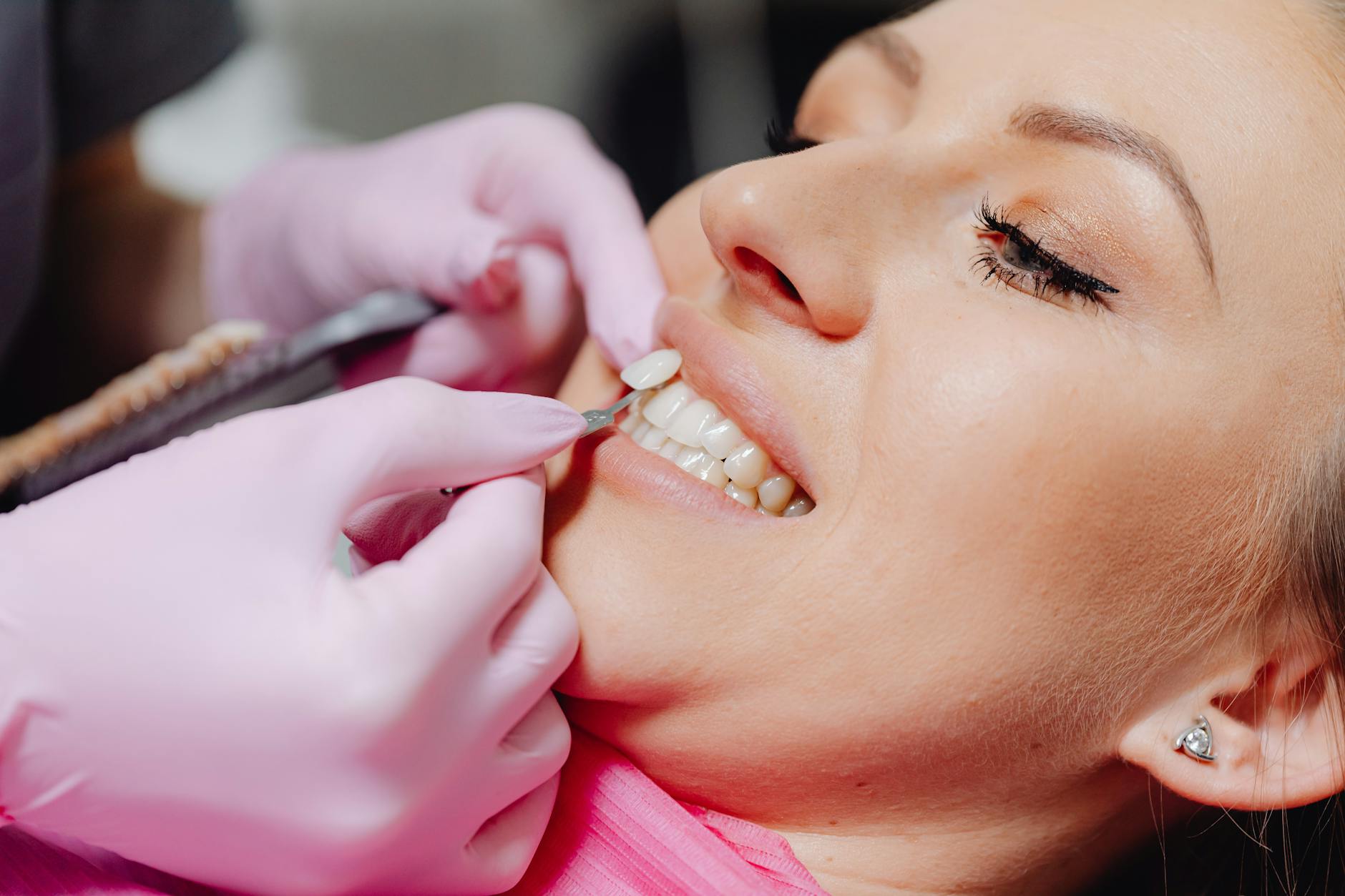
Dental veneers are designed to be durable, stain-resistant, and long-lasting, but they aren’t indestructible. Many people assume veneers can handle anything natural teeth can, yet certain foods pose a real risk of chipping, cracking, or loosening them over time. The issue isn’t just hardness—it’s also stickiness, sudden pressure, and repeated stress. Some of the tastiest, most satisfying foods can be surprisingly tough on dental work, especially if you bite into them the wrong way or make them a regular habit. If you want your veneers to last, it’s worth knowing which foods require extra caution.
Hard Candies: A Crunch That Comes With Consequences
Hard candies might seem harmless since they dissolve eventually, but biting into them is where the danger lies. The extreme hardness puts concentrated pressure on a small area of your teeth, which can easily lead to cracks in veneers. Even a single bite can cause damage, especially if the candy doesn’t give at all under pressure. Sucking on them instead of chewing reduces risk, but many people instinctively crunch down, making these treats a common culprit behind veneer damage.
Ice Cubes: The Hidden Habit That Wears Them Down
Chewing ice is a habit many people don’t think twice about, but it’s one of the fastest ways to damage veneers. Ice is deceptively hard and brittle, meaning it doesn’t absorb pressure—it transfers it directly to your teeth. This can create microfractures that worsen over time or lead to sudden cracks. Even though it’s not technically a “food,” ice often accompanies drinks and becomes an unconscious habit that can quietly shorten the lifespan of dental work.
Caramel and Toffee: Sticky and Stressful
Sticky sweets like caramel and toffee pose a different kind of threat. Instead of cracking veneers instantly, they create a pulling force that can loosen or weaken the bond between the veneer and the tooth. Over time, this repeated stress can cause veneers to lift or detach. The longer the candy stays stuck, the more pressure it applies when you try to chew or remove it, making these treats particularly risky despite their soft texture.
Nuts: Small but Surprisingly Hard
Nuts are often praised for their health benefits, but their hardness can be a problem for veneers. Biting directly into hard nuts like almonds or hazelnuts concentrates force on the front teeth, increasing the chance of chipping. While they’re not as risky as hard candy, frequent consumption—especially without care—can gradually wear down veneers or cause small cracks that worsen over time. Choosing sliced or softened versions can help reduce the strain.
Crusty Bread: Tough Texture Meets Sharp Pressure
Crusty artisan breads with thick, hard exteriors can be unexpectedly tough on veneers. The outer crust requires significant force to bite through, especially with the front teeth. This creates pressure similar to biting into something hard, even though the inside is soft. Repeatedly tearing into tough bread can gradually weaken veneers or cause minor chips, particularly if they’re already slightly worn.
Popcorn Kernels: Tiny but Dangerous
Popcorn itself is light and harmless, but the unpopped kernels hidden in the bowl are a major risk. Biting down on one accidentally can create a sudden, sharp force that veneers aren’t designed to withstand. Because kernels are small and easy to miss, they often catch people off guard, making them one of the more unpredictable causes of veneer damage. Even partially popped kernels can be hard enough to cause problems.
Conclusion
Veneers are a great way to enhance your smile, but they require mindful eating habits to stay in good condition. The biggest risks often come from foods that combine hardness, stickiness, or unexpected resistance. Avoiding or modifying how you eat these items can go a long way in preserving your dental work. Small changes—like chewing carefully, cutting food into smaller pieces, or simply being aware—can make the difference between long-lasting veneers and costly repairs.

Leave a Reply