
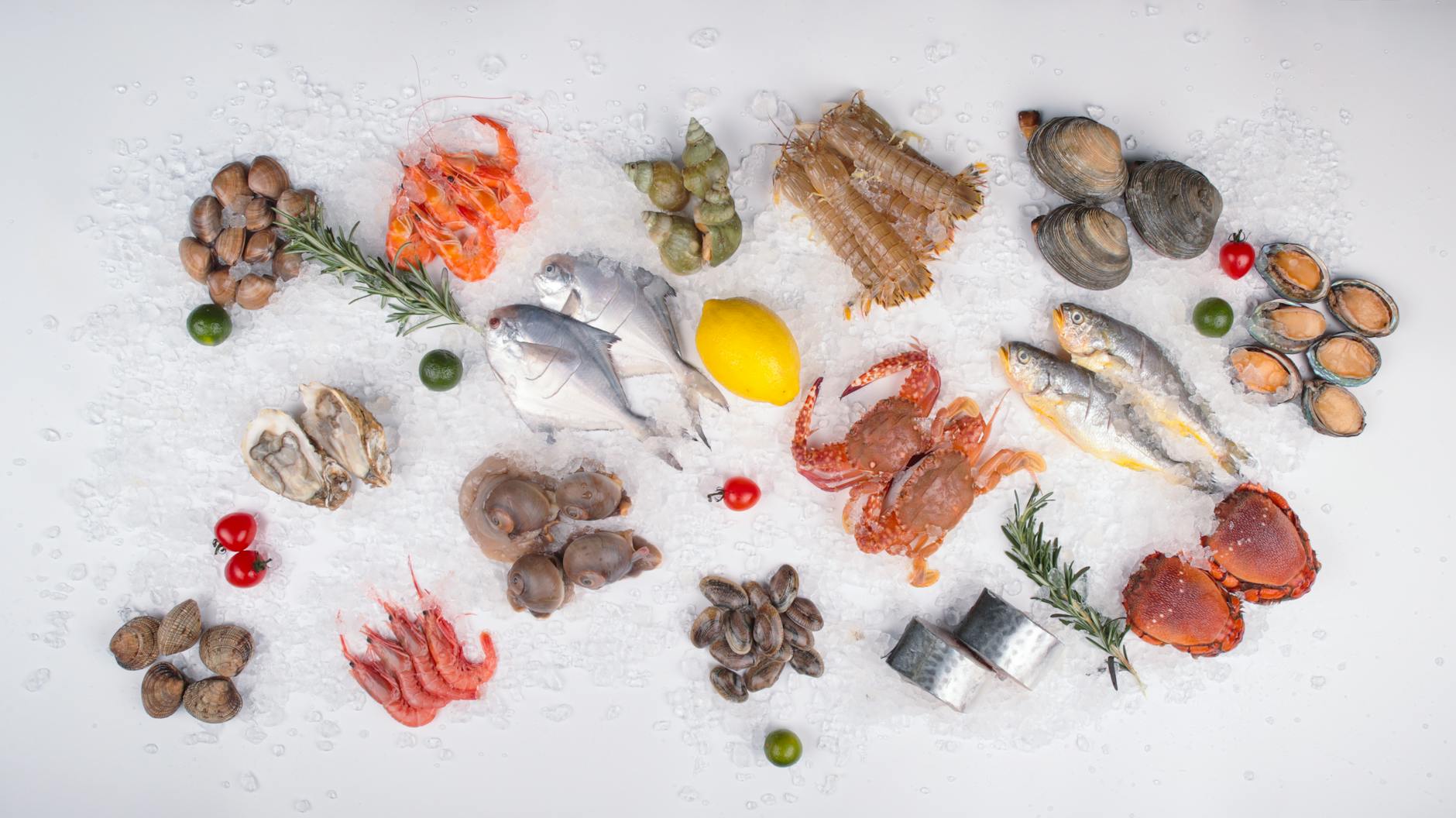
Raw seafood can be a delicacy, prized for its freshness and clean flavors. However, it also carries a higher risk of foodborne illness compared to cooked options.
Bacteria, parasites, and improper handling can all turn a seemingly harmless dish into a health concern. Some types of raw seafood are especially risky and require extra caution.
Raw Oysters: High Risk of Bacterial Contamination
Raw oysters are one of the most well-known sources of seafood-related illness. They can harbor harmful bacteria like Vibrio, especially when harvested from warm waters.
Because they are often eaten straight from the shell, there’s no cooking step to eliminate pathogens. This makes proper sourcing and storage absolutely critical.
Sushi-Grade Tuna: Parasites and Handling Concerns
Tuna is a staple in many raw dishes, but it can carry parasites if not properly frozen beforehand. “Sushi-grade” labeling isn’t regulated, so quality can vary widely.
Improper handling during transport or storage increases risk. Even high-end establishments must follow strict standards to keep it safe.
Raw Clams: Filter Feeders with Hidden Dangers
Like oysters, clams are filter feeders that can accumulate bacteria and toxins from their environment. This makes them vulnerable to contamination from polluted waters.
Eating them raw removes any safety buffer. If they aren’t sourced carefully, the risk of illness rises significantly.
Ceviche: Acid Doesn’t Fully Protect You
Ceviche relies on citrus juice to “cook” seafood, but acid doesn’t kill all harmful organisms. Parasites and certain bacteria can survive the process.
If the seafood isn’t extremely fresh and properly handled, the dish can still pose risks. The preparation method creates a false sense of security.
Raw Scallops: Delicate but Vulnerable
Raw scallops are prized for their sweet, delicate flavor. However, their soft texture makes them more susceptible to bacterial growth.
They spoil quickly if not kept at the right temperature. Even slight mishandling can lead to contamination.
Sashimi Salmon: Parasite Concerns
Salmon is commonly served raw, but it carries a higher risk of parasites compared to some other fish. Proper freezing is essential to reduce this danger.
If the fish hasn’t been treated correctly, parasites can remain active. This makes sourcing from reputable suppliers especially important.
Conclusion
Raw seafood can be enjoyable, but it requires awareness and caution. The biggest risks often come from bacteria, parasites, and improper handling rather than the food itself.
Choosing high-quality sources and understanding the risks can help reduce the chances of getting sick. When it comes to raw seafood, careful decisions make all the difference.




Leave a Reply