
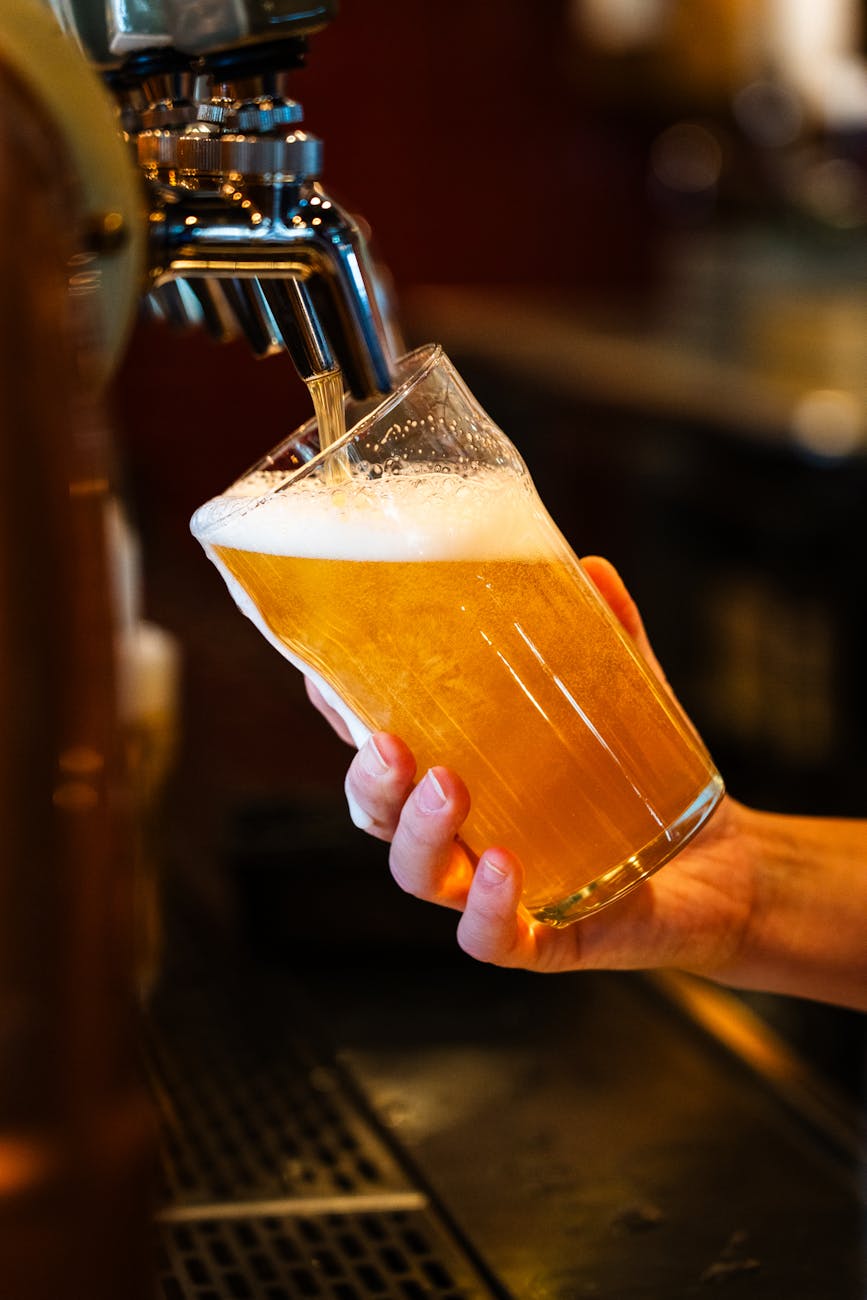
The craft beer industry is entering a turbulent phase in 2026, marked by rising costs, shifting consumer preferences, and a saturated market that no longer guarantees growth. While some breweries continue to thrive through innovation and local loyalty, others are struggling to stay afloat in an increasingly unforgiving environment. The following breweries illustrate the types of businesses most at risk of bankruptcy or closure this year.
Stone Brewing
Stone Brewing has already undergone a major ownership shakeup, signaling deeper instability rather than a clean reset. The company has shifted production away from its historic base, often a sign of aggressive cost-cutting and restructuring under financial strain.
Large legacy craft brands face a difficult balancing act in 2026, dealing with high overhead and declining national demand. For Stone, continued restructuring could easily lead to facility closures or further downsizing if profitability fails to stabilize.
21st Amendment Brewery
21st Amendment Brewery shut down operations before being revived under new ownership, making it a prime example of a “zombie brand” scenario. While the name still exists, much of its original infrastructure and identity has disappeared.
Brands in this position often struggle to rebuild momentum or operate independently. If contract brewing or distribution partnerships weaken, the brewery could face another collapse or permanent absorption into a larger entity.
Innis & Gunn
Innis & Gunn entered administration in 2026 with significant debt, reflecting how quickly financial pressure can overwhelm even established breweries. Rising costs and reduced consumer spending contributed heavily to its downfall.
Although parts of the business were acquired, the loss of core assets leaves the brand in a fragile position. Without a strong and immediate turnaround strategy, it risks fading despite its previous global recognition.
3rd Level Brewing
3rd Level Brewing filed for Chapter 7 bankruptcy in early 2026, effectively ending its operations after a short lifespan. The company struggled with limited assets and mounting liabilities, a common issue among newer breweries.
This situation highlights the vulnerability of startups in today’s beer market. Breweries that launched during peak demand are now facing a much harsher economic climate with far less room for mistakes.
Rogue Ales
Rogue Ales has been affected by regional contraction and closures, particularly in areas with dense brewery competition. Even well-known brands are feeling the pressure as the market becomes oversaturated and growth slows.
Mid-sized regional breweries are especially at risk if sales continue to decline. Without strong differentiation or cost control, companies like Rogue may be forced to consolidate or close key locations.
Duck-Rabbit Brewery
Duck-Rabbit Brewery represents a group of traditional breweries facing declining demand as consumer tastes evolve. Younger drinkers are increasingly turning to alternatives like ready-to-drink cocktails and non-alcoholic options.
Breweries that rely heavily on older styles or outdated distribution models are particularly exposed. Without adapting to new trends, their long-term viability becomes increasingly uncertain.
Why More Closures Are Likely
The broader craft beer industry is undergoing a structural reset rather than a temporary downturn. Declining production and a steady increase in closures point to a long-term contraction rather than a short-lived dip.
Rising costs, market saturation, and shifting consumer behavior are all converging at once. While the industry will continue to exist, it is becoming smaller, more competitive, and far less forgiving for struggling breweries.




Leave a Reply