
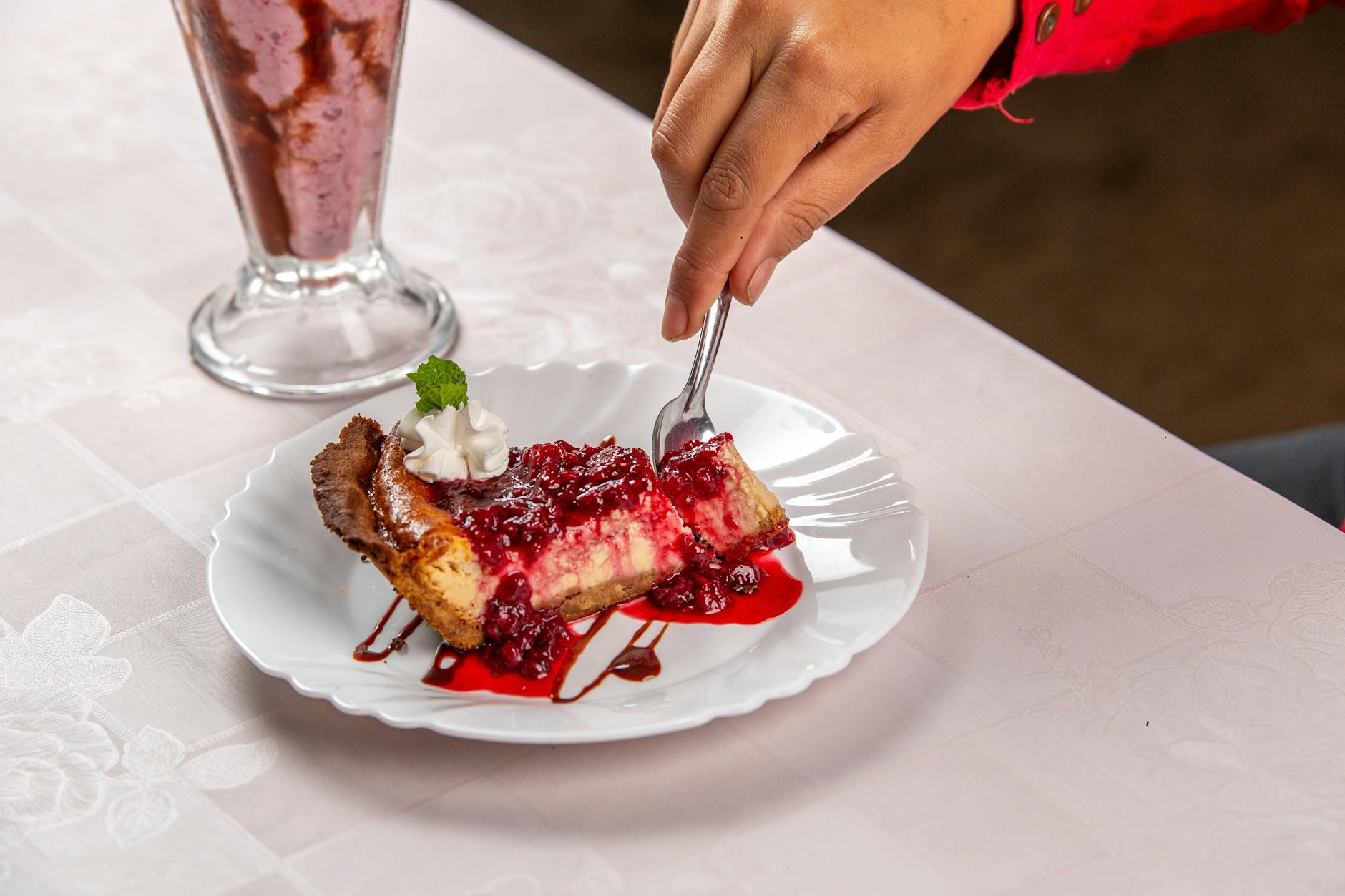
In the restaurant world, desserts are often seen as the final impression of a dining experience. While many establishments take pride in crafting everything in-house, not every kitchen handles its own sweets. Some restaurants choose to outsource desserts entirely, relying on specialty bakeries or third-party suppliers to complete the meal.
This approach is more common than many diners realize, especially in high-volume restaurants or places that prioritize savory dishes. Whether for efficiency, cost control, or consistency, outsourcing desserts can shape the overall dining experience in subtle but noticeable ways.
Cheesecake Factory (Pre-Made Dessert Program Model)
The Cheesecake Factory is famous for its extensive dessert menu, especially its signature cheesecakes. While the brand operates its own baking facilities, many items are mass-produced in centralized production kitchens rather than made fresh in each restaurant location.
This system ensures consistency across hundreds of locations, but it also means desserts are not prepared in-house by individual restaurant chefs. Instead, they are shipped in and plated on-site before serving.
For diners, the result is a polished and uniform dessert experience. However, it lacks the spontaneity and craft associated with in-house pastry programs found in smaller restaurants.
Olive Garden (Centralized Dessert Production)
Olive Garden is well known for its Italian-American menu, but its dessert offerings are largely handled through centralized food production systems. Items like tiramisu and cakes are typically prepared off-site and distributed to locations nationwide.
This allows the chain to maintain consistency and reduce kitchen workload during busy service hours. Desserts arrive pre-made and are simply portioned and served by staff.
While this ensures reliability, it also means diners are not experiencing freshly made desserts from an in-house pastry team. The focus remains on speed and uniformity rather than culinary creativity.
Chili’s (Third-Party Dessert Suppliers)
Chili’s Grill & Bar relies heavily on pre-prepared or externally sourced desserts for many of its menu items. Classic offerings like molten chocolate cake-style desserts are often produced through food service suppliers rather than made from scratch in the restaurant.
This setup helps streamline operations and keeps kitchen staff focused on grilling and assembling savory dishes. Desserts are typically reheated or finished in-house before being served.
While this approach is efficient, it limits the ability to offer seasonal or highly customized desserts. The result is a predictable dessert menu that prioritizes speed over craftsmanship.
Applebee’s (Frozen and Pre-Portioned Desserts)
Applebee’s Neighborhood Grill + Bar is another casual dining chain where desserts are commonly pre-made or frozen before arriving at the restaurant. Items like brownie sundaes and cakes are typically portioned and stored for quick service.
This system allows for fast preparation during peak hours, ensuring desserts can be served within minutes. Staff generally focus on reheating and plating rather than baking.
While convenient, this approach reduces the opportunity for in-house pastry development. Diners receive consistent results, but not freshly crafted desserts made on-site.
Denny’s (Distributed Dessert Manufacturing)
Denny’s uses a distributed supply model for many of its dessert items, relying on external suppliers to produce cakes, pies, and other sweets. These items are then delivered to restaurants ready for storage and service.
The focus at Denny’s is on speed, affordability, and 24-hour availability rather than in-house pastry production. Desserts are assembled or reheated as needed during service.
This allows the chain to maintain a simple and efficient kitchen structure. However, it also means dessert options are standardized across locations rather than locally crafted.
Conclusion
Many popular restaurants choose not to make desserts in-house, instead relying on centralized kitchens or external suppliers to maintain consistency and efficiency. While this approach helps streamline operations and ensure uniform quality, it also reduces the opportunity for culinary creativity in the dessert course.
For diners, understanding this behind-the-scenes process can change how they view the final course of a meal. What arrives at the table may be carefully controlled for consistency, but it is not always freshly crafted within the restaurant itself.




Leave a Reply