
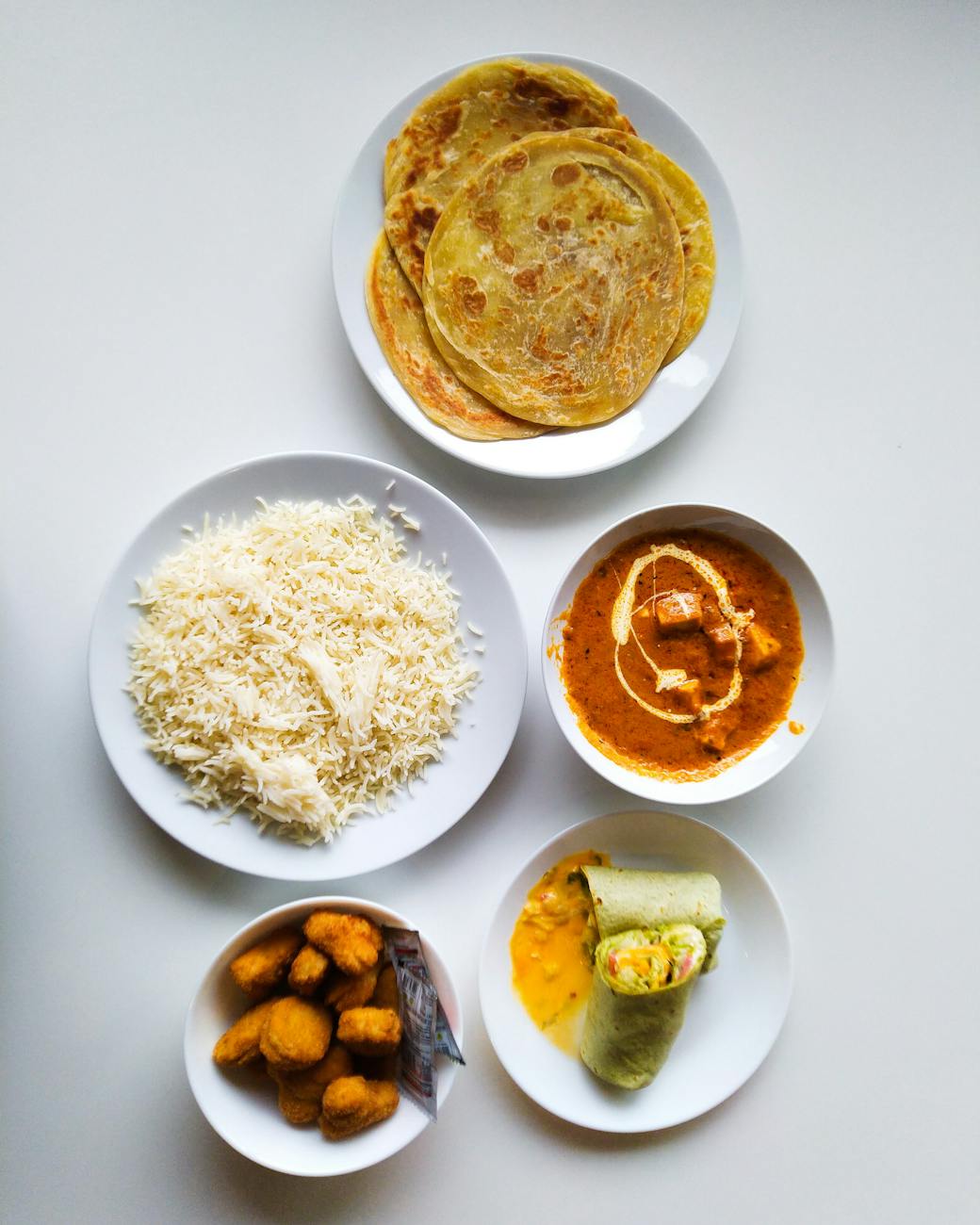
Indian restaurants around the world serve a wide range of dishes that feel authentic but often have international origins. Many of these favorites were adapted or created outside India to suit local tastes and expectations.
These dishes still reflect Indian flavors and techniques, but their stories are more global than traditional. Here are five popular “Indian” restaurant dishes that didn’t actually originate in India.
Chicken Tikka Masala: A British Invention
Chicken tikka masala is often seen as the ultimate Indian restaurant dish, but it’s widely believed to have been created in the United Kingdom. It likely emerged when chefs adapted traditional chicken tikka by adding a creamy tomato-based sauce.
The dish was designed to appeal to British diners who preferred richer, saucier meals. Over time, it became a defining staple of Indian restaurants abroad.
Butter Chicken (Restaurant Style): A Global Adaptation
While butter chicken has roots in Delhi, the version commonly found in international restaurants is often quite different. It tends to be sweeter, creamier, and more heavily sauced than traditional preparations.
These changes were made to suit broader palates. The result is a dish that feels familiar worldwide but diverges from its original form.
Vindaloo: Portuguese Influence, British Reinvention
Vindaloo traces its origins to a Portuguese dish brought to India during colonial times. The original version focused on vinegar, garlic, and spices rather than intense heat.
In many Western restaurants, vindaloo has been transformed into an extremely spicy curry. This interpretation reflects local expectations more than historical accuracy.
Korma: Sweet and Mild Reinvented
Traditional korma dishes in India are rich and aromatic but not overly sweet. They rely on yogurt, nuts, and spices for depth rather than sugary flavors.
In many restaurants abroad, korma has become a mild, creamy, and noticeably sweet dish. This shift caters to diners looking for less heat and more comfort.
Mulligatawny Soup: Anglo-Indian Creation
Mulligatawny soup originated during British colonial rule as a reinterpretation of Indian flavors. It was adapted into a soup format that appealed to European dining styles.
The dish blends spices with ingredients like broth and sometimes apples or cream. It’s more of a cultural hybrid than a traditional Indian recipe.
Conclusion
Many popular Indian restaurant dishes reflect a blend of cultures rather than a single origin. They were shaped by migration, colonial history, and the desire to appeal to different tastes.
While they may not be traditionally Indian, these dishes still showcase the versatility and global influence of Indian cuisine. Understanding their origins adds a new layer of appreciation to every bite.




Leave a Reply