
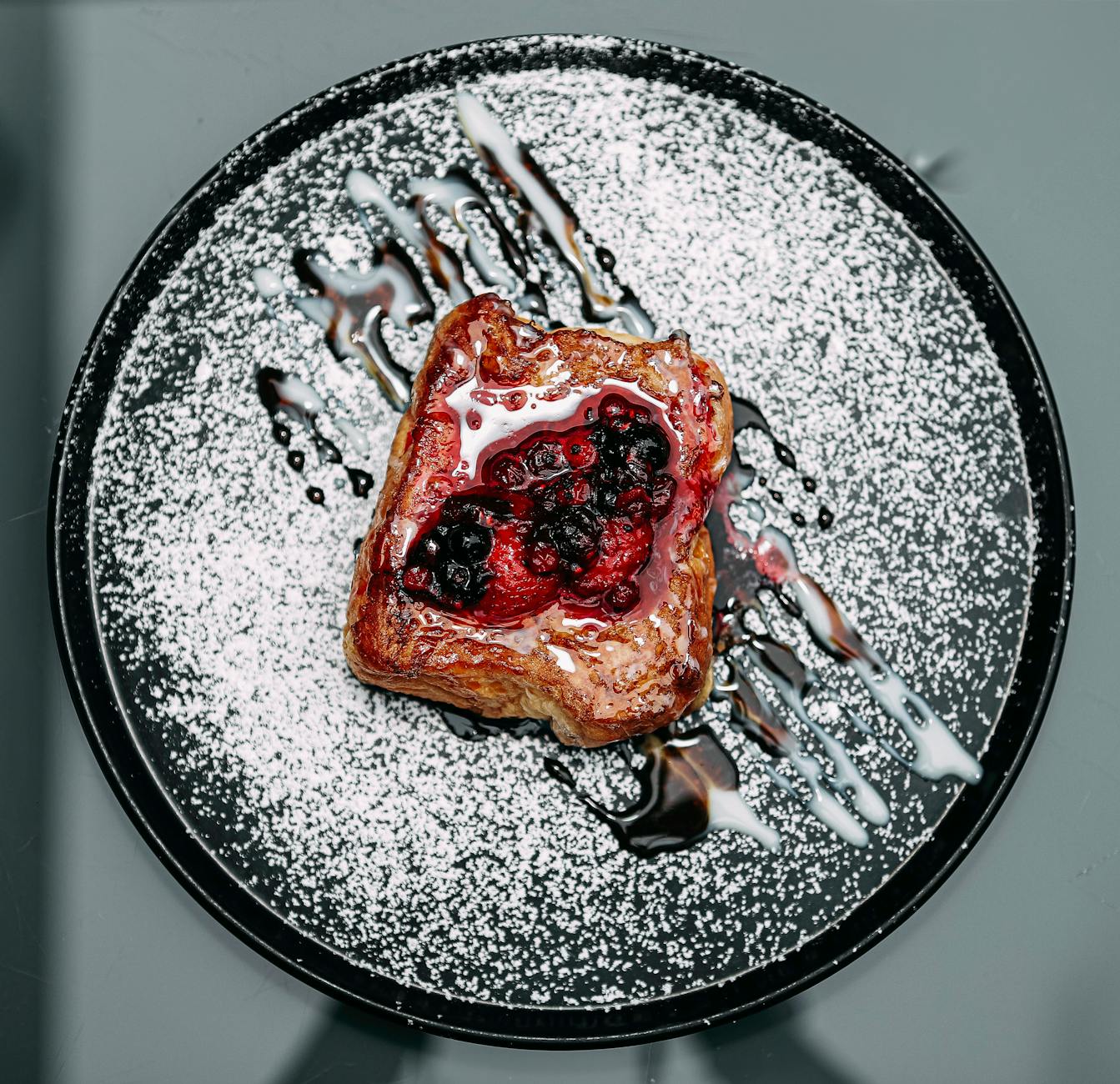
French toast may seem simple, but the bread you choose can make or break the dish. The ideal slice should absorb custard without falling apart while still delivering flavor and texture. Unfortunately, some breads do the exact opposite—leaving you with soggy, bland, or overly dense results. Here are the worst breads to use for French toast and why they fall short.
Pre-Sliced White Bread: Too Soft to Survive
Basic pre-sliced white bread is one of the worst offenders.
It’s too thin and airy to hold up when soaked in egg mixture, often turning mushy before it even hits the pan. The lack of structure makes it nearly impossible to achieve that golden, crisp exterior.
Whole Wheat Bread: Dense and Dry
Whole wheat bread may be healthier, but it doesn’t always translate well to French toast.
Its dense texture can prevent the custard from soaking in evenly, leaving the inside dry while the outside overcooks. The slightly bitter flavor can also clash with sweet toppings.
Gluten-Free Bread: Fragile Texture
Gluten-free bread tends to be more delicate than traditional bread.
When soaked, it can easily fall apart or become gummy, making it difficult to cook evenly. While some specialty versions work better, many standard options struggle in this recipe.
Rye Bread: Strong Flavor Profile
Rye bread has a bold, tangy flavor that doesn’t pair well with sweet French toast ingredients.
Even if the texture holds up, the taste can overpower syrup, fruit, and other toppings. It’s better suited for savory dishes than breakfast classics.
Sourdough Bread: Too Chewy and Tangy
Sourdough can work in some cases, but many varieties are too chewy and acidic for French toast.
The thick crust and dense crumb make it harder for the custard to penetrate, while the tangy flavor can throw off the balance of sweetness.
Common Problems With the Wrong Bread
If your French toast isn’t turning out right, your bread may be to blame:
- Too thin, leading to sogginess
- Too dense, preventing proper absorption
- Too fragile, falling apart during cooking
- Strong or savory flavors clashing with sweetness
- Uneven texture that cooks inconsistently
What to Use Instead
While avoiding bad options is important, choosing the right bread is even better.
Look for thick-cut, slightly stale breads like brioche or challah, which strike the perfect balance between softness and structure. These breads absorb custard well while still holding their shape during cooking.
Final Thoughts
French toast is only as good as the bread you start with.
By steering clear of overly soft, dense, or strongly flavored breads, you can avoid common pitfalls and create a dish that’s rich, fluffy, and perfectly crisp. A simple swap in bread choice can take your French toast from disappointing to restaurant-quality in no time.


Leave a Reply