
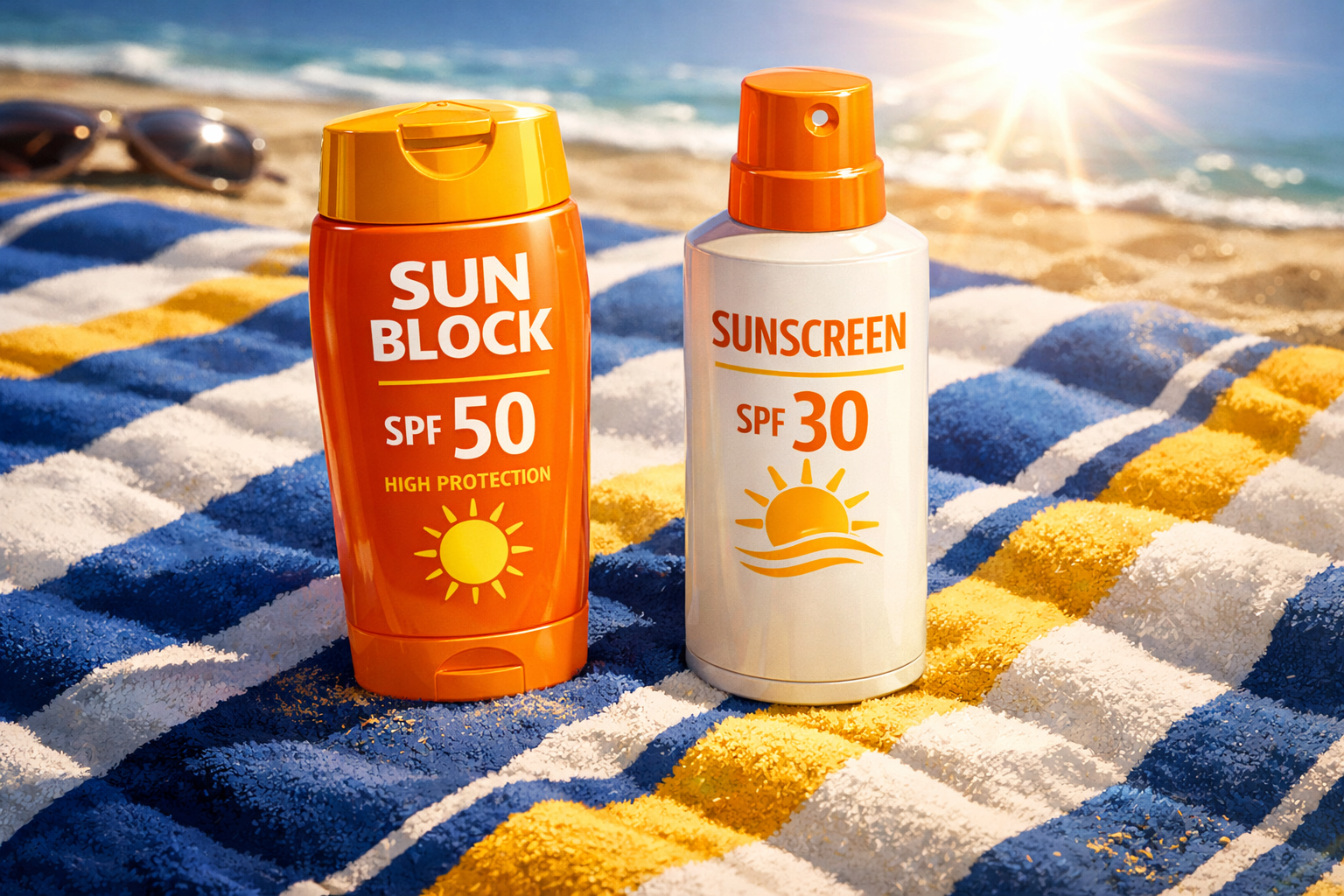
As skin ages, it becomes thinner, drier, and more sensitive to environmental damage. That makes sunscreen not just important—but essential—for seniors. However, not all sunscreens are created equal. Some formulas can irritate mature skin, clog pores, or simply fail to provide adequate protection. Knowing which types to avoid can help seniors protect their skin without causing additional issues.
Coppertone Sport: Too Harsh for Sensitive Skin
Coppertone Sport sunscreens are designed for durability during intense activity, but that often comes at a cost. These formulas tend to include higher levels of alcohol and chemical filters that can be drying or irritating for older skin. Seniors with already delicate or sensitive skin may experience redness or discomfort after use, especially with repeated application.
Banana Boat Ultra Sport: Heavy and Pore-Clogging
Banana Boat Ultra Sport sunscreens are known for their thick, water-resistant formulas. While effective for swimmers, they can feel heavy on aging skin and may clog pores. This can lead to breakouts or a greasy residue that feels uncomfortable, particularly in warm weather. Seniors often benefit more from lighter, breathable formulas.
Neutrogena Ultra Sheer: Can Be Overly Drying
Neutrogena Ultra Sheer is popular for its lightweight feel, but some versions rely heavily on chemical filters that may dry out the skin. For seniors who already struggle with dryness, this can worsen flakiness and irritation. The matte finish, while appealing for oil control, may emphasize fine lines and texture.
Spray Sunscreens: Easy but Inconsistent
Spray sunscreens are convenient, but they can be problematic for seniors. It’s easy to apply them unevenly, leaving patches of skin unprotected. Additionally, inhalation of the spray can be a concern, particularly for older adults with respiratory sensitivities. While quick to use, they often sacrifice thorough coverage.
Fragrance-Heavy Formulas: Hidden Irritants
Sunscreens with added fragrance may smell pleasant, but they can irritate sensitive skin. As skin ages, it becomes more reactive to potential allergens, and fragrance is a common trigger. These products can cause redness, itching, or even mild allergic reactions, making them a poor choice for seniors.
Low-SPF Sunscreens: Not Enough Protection
Some sunscreens offer SPF levels that are simply too low to provide adequate protection, especially for older adults who may have a higher risk of skin damage. Using SPF 15 or lower may not shield the skin effectively from harmful UV rays, increasing the risk of sunburn and long-term damage.
Why the Wrong Sunscreen Can Be Harmful
Using the wrong sunscreen can do more than just fail to protect—it can actively harm the skin. Irritating ingredients can worsen sensitivity, while inadequate coverage leaves skin vulnerable to UV damage. For seniors, whose skin is already more fragile, these issues can be more pronounced and harder to recover from.
Conclusion: Look for Gentle, Effective Protection
Not all sunscreens are suitable for aging skin. Products that are too harsh, heavy, or lightly protective can cause more harm than good. Seniors should look for gentle, fragrance-free formulas with broad-spectrum SPF 30 or higher, ideally with moisturizing ingredients. Choosing the right sunscreen can make a significant difference in maintaining healthy, protected skin at any age.



Leave a Reply