
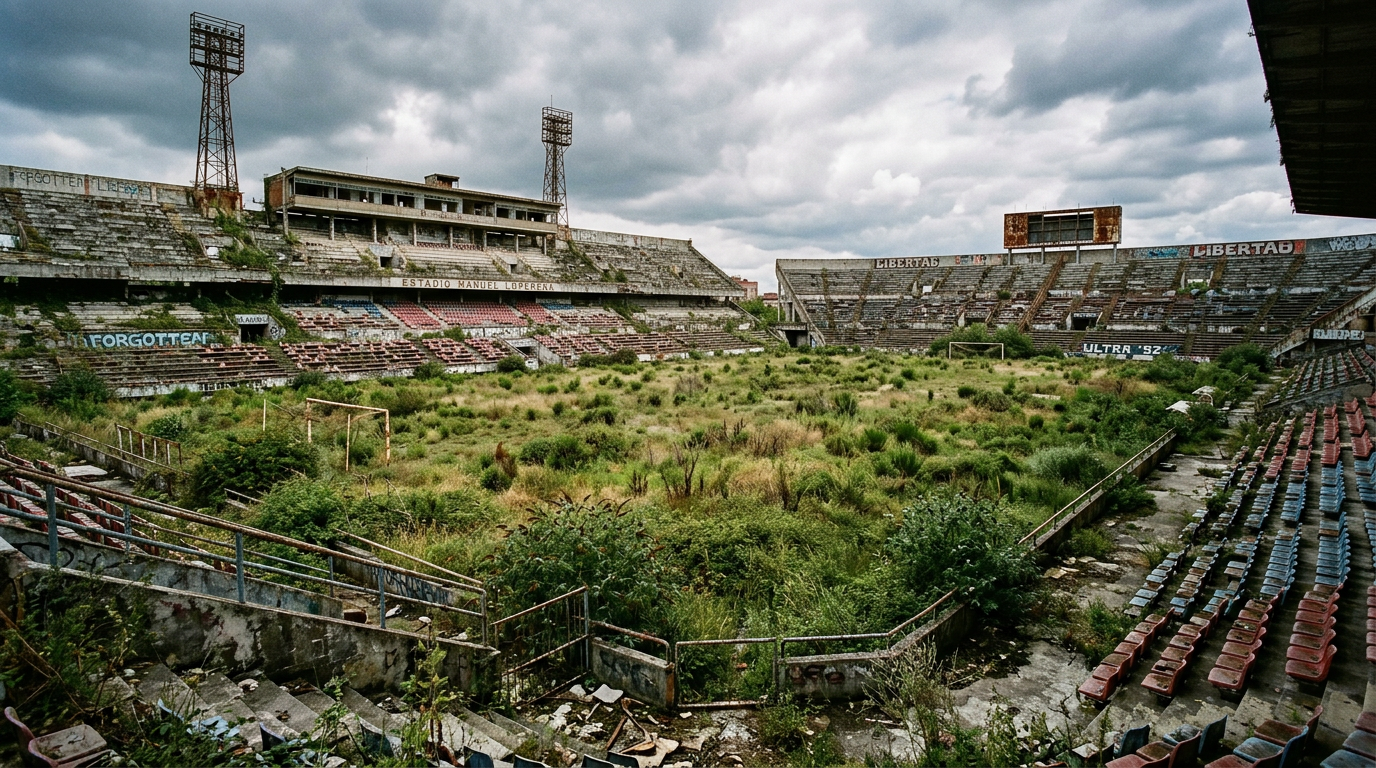
College football is a cornerstone of American sports culture, bringing in revenue, school pride, and national attention. However, not every program survives. Over the years, several colleges and universities have made the difficult decision to cancel their football teams due to financial strain, low attendance, or shifting institutional priorities. These decisions often spark controversy but highlight the realities of maintaining a costly athletic program.
University of Chicago: From Powerhouse to Exit
The University of Chicago was once a dominant force in early college football and even a founding member of the Big Ten Conference. However, in 1939, the school made the surprising decision to drop its football program at the varsity level. Concerns about the growing commercialization of college sports and a desire to focus on academics led to the move. While the university later revived football at a lower division, its departure from major college football remains one of the most notable in history.
Boston University: Financial Pressures Take Over
Boston University discontinued its football program in 1997, citing financial concerns. Maintaining a Division I football team proved too costly, especially as the university sought to allocate resources elsewhere. Despite a long history and a loyal fan base, the program was ultimately deemed unsustainable, reflecting a trend among schools facing rising athletic expenses.
Northeastern University: Declining Attendance
Northeastern University ended its football program in 2009 after decades of competition. The decision was driven by declining attendance, lack of competitiveness, and the high costs associated with running the team. University leadership chose to redirect funding toward other sports and academic initiatives, marking the end of a long-standing tradition.
University of Alabama at Birmingham: A Controversial Shutdown and Return
The University of Alabama at Birmingham (UAB) made headlines in 2014 when it abruptly shut down its football program, citing financial losses. The decision sparked widespread backlash from students, alumni, and fans. After significant fundraising efforts and public pressure, the program was reinstated in 2017. UAB’s case shows that while programs can be canceled, strong support can sometimes bring them back.
Pacific University: A Long Hiatus
Pacific University dropped its football program in 1991 due to budget constraints and shifting priorities. For over two decades, the school operated without a team before eventually reinstating football in 2010. The long gap illustrates how financial and institutional challenges can lead to cancellations, even if the sport later returns under more sustainable conditions.
Why Colleges Cancel Football Programs
The reasons behind these decisions vary, but financial strain is the most common factor. Football programs require significant investment in facilities, coaching staff, travel, and scholarships. Schools with lower attendance or limited revenue streams often struggle to justify the expense. Additionally, changing priorities—such as focusing on academics or other sports—can influence these choices.
Conclusion: The Cost of the Game
The cancellation of college football programs is never an easy decision. Schools like the University of Chicago, Boston University, Northeastern, UAB, and Pacific University each faced unique challenges that led them to step away from the sport. While some programs have returned, others remain part of history, serving as reminders that even America’s most popular college sport is not immune to financial and institutional realities.




Leave a Reply