
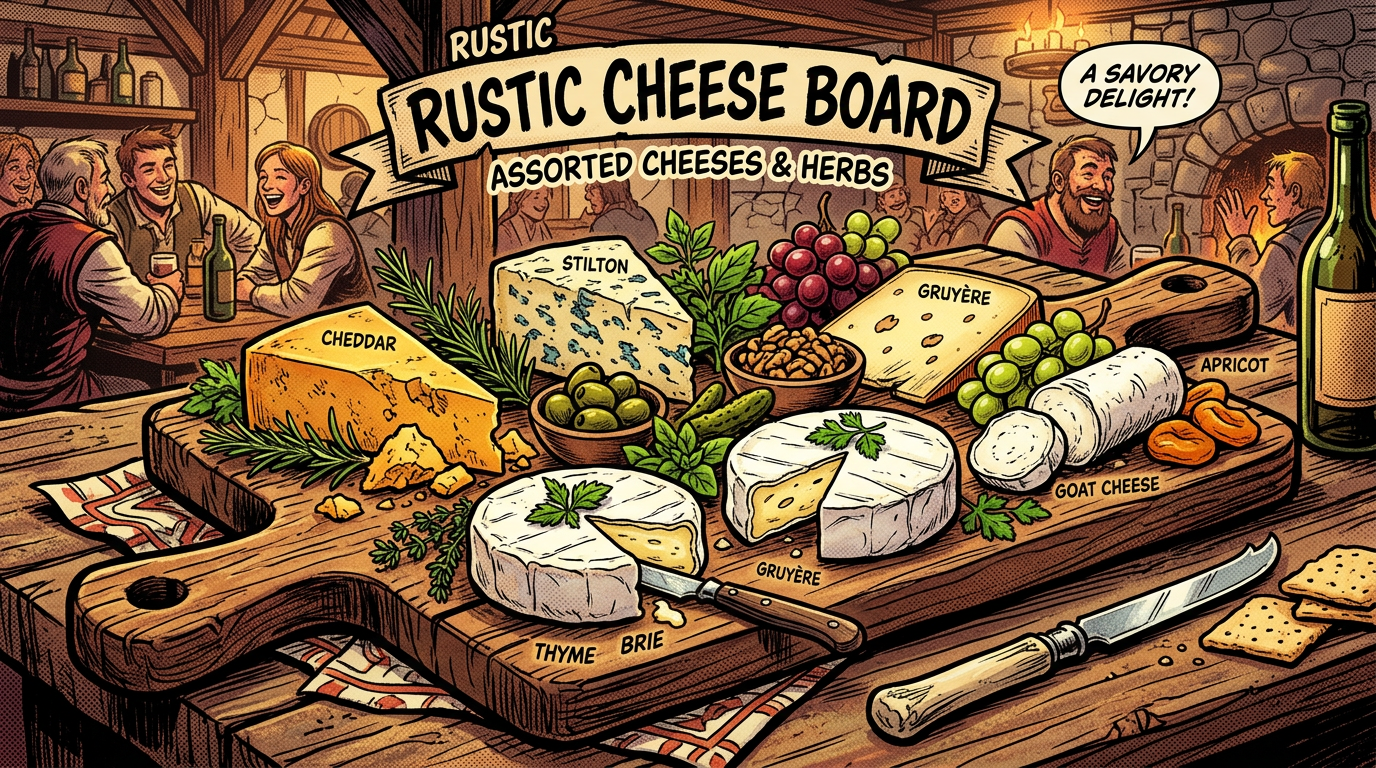
Cheese can be part of a balanced, nutritious diet when chosen wisely. While it’s often high in fat and sodium, certain types of cheese are rich in protein, calcium, probiotics, and even heart-healthy fats. The key is to opt for varieties that are minimally processed and made from high-quality ingredients. Here are some of the healthiest cheeses you can include in your meals without compromising your wellness goals.
Feta Cheese
Feta is a crumbly, tangy cheese made from sheep’s milk or a mix of sheep’s and goat’s milk. It’s lower in fat and calories than many other cheeses, with about 75 calories and 6 grams of fat per ounce. Feta is also a good source of calcium and contains probiotics that can support gut health.
Its bold flavor means a little goes a long way, making it ideal for salads, grain bowls, or Mediterranean-style dishes. When buying feta, opt for versions stored in brine, which helps preserve its freshness and probiotic content.
Part-Skim Mozzarella
Mozzarella is a soft, mild cheese that’s especially healthy when made from part-skim milk. With around 70–80 calories and 4–5 grams of fat per ounce, it’s lower in saturated fat than many hard cheeses. It’s also an excellent source of calcium and protein.
Fresh mozzarella, particularly the kind stored in water or whey, contains beneficial bacteria that may aid digestion. Use it on whole-grain pizza, in caprese salads, or as a high-protein snack paired with tomatoes and basil.
Ricotta Cheese
Ricotta is a soft, spreadable cheese made from the whey left over from other cheeses. It’s rich in whey protein, which is easily absorbed and supports muscle repair and maintenance. Ricotta is also a source of calcium, phosphorus, and vitamin A.
For a healthier option, look for part-skim ricotta, which has less fat and fewer calories but still provides a creamy texture. It works well in both savory dishes like lasagna and sweet preparations like fruit parfaits.
Parmesan Cheese
Parmesan is a hard, aged cheese that’s packed with flavor, which means you can use less of it while still enjoying its salty, nutty taste. It’s high in calcium and protein and naturally low in lactose, making it easier to digest for people with lactose sensitivity.
A one-ounce serving of Parmesan contains roughly 110 calories and 8 grams of fat, but because it’s so flavorful, a small sprinkle goes a long way. It’s perfect grated over pasta, soups, or roasted vegetables.
Goat Cheese (Chevre)
Goat cheese is lower in lactose and often easier to digest than cheeses made from cow’s milk. It’s also slightly lower in calories and fat, with a tangy flavor that enhances many dishes. Goat cheese contains medium-chain fatty acids, which may help support metabolism and energy use.
Use it in salads, spread on whole-grain toast, or mix into vegetable dishes for a creamy, flavorful addition.



Leave a Reply