
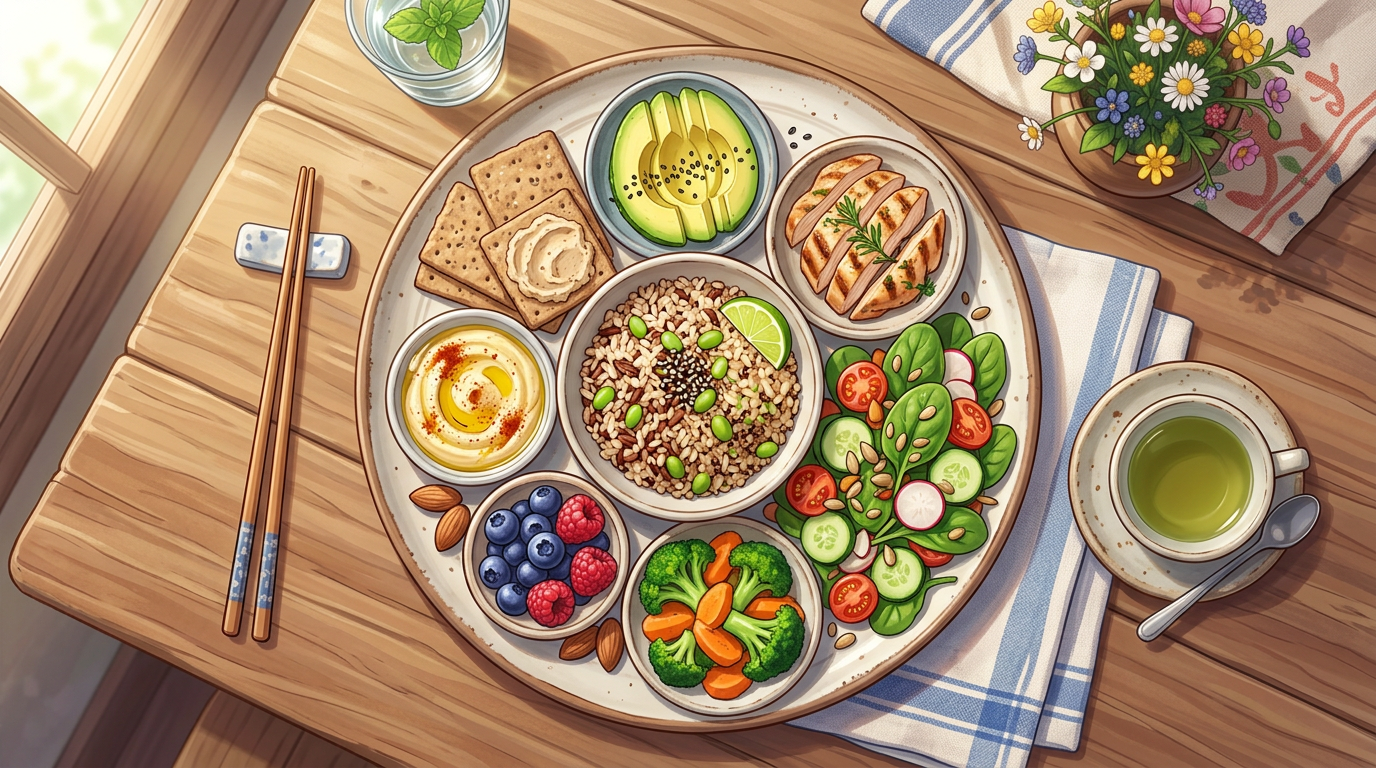
Eating a heart-healthy diet is one of the most effective ways to reduce your risk of heart disease, stroke, and high blood pressure. The right foods can help lower cholesterol, reduce inflammation, and maintain a healthy weight. If you’re looking to take better care of your heart, here are some of the best foods to incorporate into your daily diet.
Fatty Fish
Fatty fish like salmon, mackerel, sardines, and trout are rich in omega-3 fatty acids—essential fats that help reduce inflammation and decrease the risk of heart arrhythmias. Omega-3s also help lower triglycerides and slightly reduce blood pressure. Aim for at least two servings of fatty fish per week to get the full cardiovascular benefits. Grilled or baked preparations are healthier than fried versions.
Leafy Green Vegetables
Spinach, kale, Swiss chard, and other dark leafy greens are packed with vitamins, minerals, and antioxidants that promote heart health. These vegetables are high in vitamin K, which supports proper blood clotting and protects arteries. They also contain nitrates, which can help lower blood pressure and improve blood vessel function. Incorporate leafy greens into salads, smoothies, soups, or sautés to boost your nutrient intake.
Berries
Strawberries, blueberries, raspberries, and blackberries are loaded with antioxidants like anthocyanins, which help reduce oxidative stress and inflammation—both of which can contribute to heart disease. Berries are also high in fiber and low in calories, making them a smart choice for dessert or a snack. Adding a handful to your breakfast or smoothie is an easy way to reap their benefits.
Nuts and Seeds
Almonds, walnuts, chia seeds, and flaxseeds are heart-smart foods rich in unsaturated fats, fiber, and plant-based omega-3s. Walnuts, in particular, have been shown to improve cholesterol levels and reduce inflammation. Just be mindful of portion sizes, as nuts and seeds are calorie-dense. A small handful (about 1 ounce) per day is plenty.
Whole Grains
Swapping refined grains for whole grains like oats, quinoa, brown rice, barley, and whole wheat can significantly impact heart health. Whole grains contain more fiber, which helps lower LDL (bad) cholesterol and keep blood sugar stable. Oats are especially beneficial thanks to beta-glucan, a soluble fiber that helps reduce cholesterol levels. Start your day with a bowl of oatmeal or use brown rice as a side dish instead of white.
Legumes
Beans, lentils, chickpeas, and other legumes are excellent sources of plant-based protein, fiber, and minerals like potassium and magnesium. They are low in fat and free from cholesterol, making them ideal for heart-conscious eating. Studies show that regular consumption of legumes can improve cholesterol and lower blood pressure. Add them to soups, salads, or stews to boost your meals.
Olive Oil
Extra virgin olive oil is a staple in the Mediterranean diet and one of the healthiest fats for your heart. It’s rich in monounsaturated fats and antioxidants that help reduce inflammation and improve cholesterol levels. Use it in place of butter or margarine for cooking, salad dressings, or drizzling over roasted vegetables.



Leave a Reply