

Many people assume refrigeration automatically keeps food fresher longer. While that may be true for dairy, meat, and certain produce, some snack foods actually lose flavor, texture, and quality when stored in the refrigerator.
Cold temperatures and excess moisture can dramatically affect crunchy snacks, baked goods, and chocolate products. In some cases, refrigeration speeds up staleness instead of preventing it.
Understanding which snacks belong in the pantry instead of the refrigerator can help preserve freshness and improve taste.
Potato Chips
Potato chips are one of the worst snack foods to refrigerate.
The refrigerator introduces moisture that can quickly ruin the chips’ crisp texture.
Instead of staying crunchy, refrigerated chips often become stale, chewy, or slightly soggy over time.
Cold air can also dull the seasoning flavor, making chips taste less salty and less vibrant overall.
Properly sealed chips stored in a cool pantry usually maintain their texture far better than refrigerated versions.
Chocolate Bars
Many people refrigerate chocolate to prevent melting, but doing so can damage both flavor and texture.
Cold temperatures may cause “sugar bloom,” where moisture creates a white, chalky coating on the chocolate surface.
While still safe to eat, the texture becomes less smooth and the flavor often tastes muted.
Chocolate also absorbs odors easily inside refrigerators, which can negatively affect taste.
A cool, dry cabinet is generally the ideal place to store most chocolate snacks.
Crackers
Crackers are designed to stay dry and crisp, making refrigeration a poor storage option.
The moisture inside refrigerators can soften crackers surprisingly quickly once the package is opened.
Even sealed crackers may gradually lose their crunch because of temperature fluctuations and condensation exposure.
Refrigeration can also make some buttery crackers taste stale faster than room-temperature storage.
Keeping crackers in airtight containers in the pantry usually preserves freshness much better.
Several snack foods react poorly to refrigeration because of moisture exposure:
- Chips and crackers lose crunch
- Chocolate develops texture changes
- Bread products stale faster
- Nuts absorb refrigerator odors
Dry snacks generally store best in cool pantries instead.
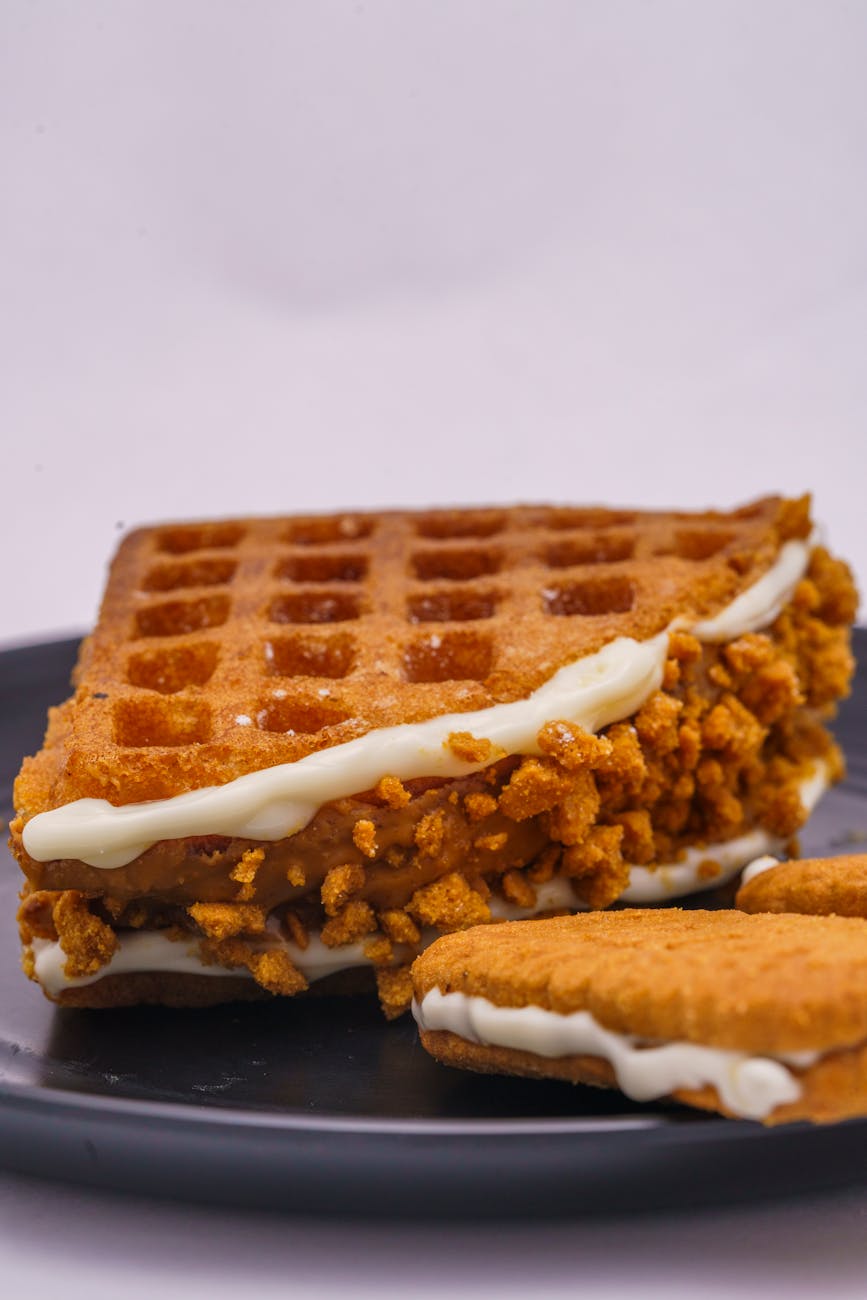
Peanut Butter Cookies
Peanut butter cookies and similar baked snacks tend to dry out quickly inside refrigerators.
Cold air accelerates moisture loss, causing cookies to become hard and crumbly instead of soft and chewy.
The flavor can also flatten noticeably after refrigeration.
Unless the cookies contain cream fillings or perishable ingredients, room-temperature storage is usually the better option.
Sealed containers help preserve freshness far more effectively than refrigeration in most cases.
Trail Mix
Trail mix may seem like a smart refrigerator candidate because of nuts and dried fruit, but cold storage often causes problems.
Nuts can absorb surrounding refrigerator odors surprisingly easily, especially when stored near onions, leftovers, or strong cheeses.
Dried fruit pieces may also become harder and less flavorful after extended refrigeration.
Condensation can occasionally affect chocolate pieces or coatings mixed into the blend as well.
Most trail mix stays fresher when sealed tightly in a cool, dark pantry.
Breadsticks And Pretzels
Crunchy breadsticks and pretzels quickly lose their crisp texture inside refrigerators.
The humidity created by cold storage softens the outer surface and weakens their signature crunch.
Pretzels can become especially unpleasant after refrigeration because salt on the surface may attract moisture.
Bread-based snacks also tend to stale faster in refrigerators than they do at room temperature.
Pantry storage in airtight containers helps maintain texture and flavor far more effectively.
Why Refrigerators Hurt Certain Snacks
Refrigerators create humid, cold environments that work well for perishable foods but poorly for many dry snacks.
Common problems include:
- Condensation buildup
- Texture softening
- Flavor dulling
- Faster staleness
Moisture is often the biggest enemy of crunchy snack foods.
Better Snack Storage Tips
For most shelf-stable snacks, the best storage conditions include:
- Cool room temperatures
- Airtight containers
- Low humidity
- Protection from direct sunlight
Pantry organization can often preserve freshness better than refrigeration.
Freezing may work better than refrigeration for some snacks intended for long-term storage.
Conclusion
Potato chips, chocolate bars, crackers, peanut butter cookies, trail mix, and pretzels are all snack foods that generally should never be refrigerated. Cold temperatures and excess moisture can ruin texture, dull flavor, and speed up staleness. For most dry snack foods, a cool pantry and airtight storage provide far better results than refrigeration ever could.

Leave a Reply