
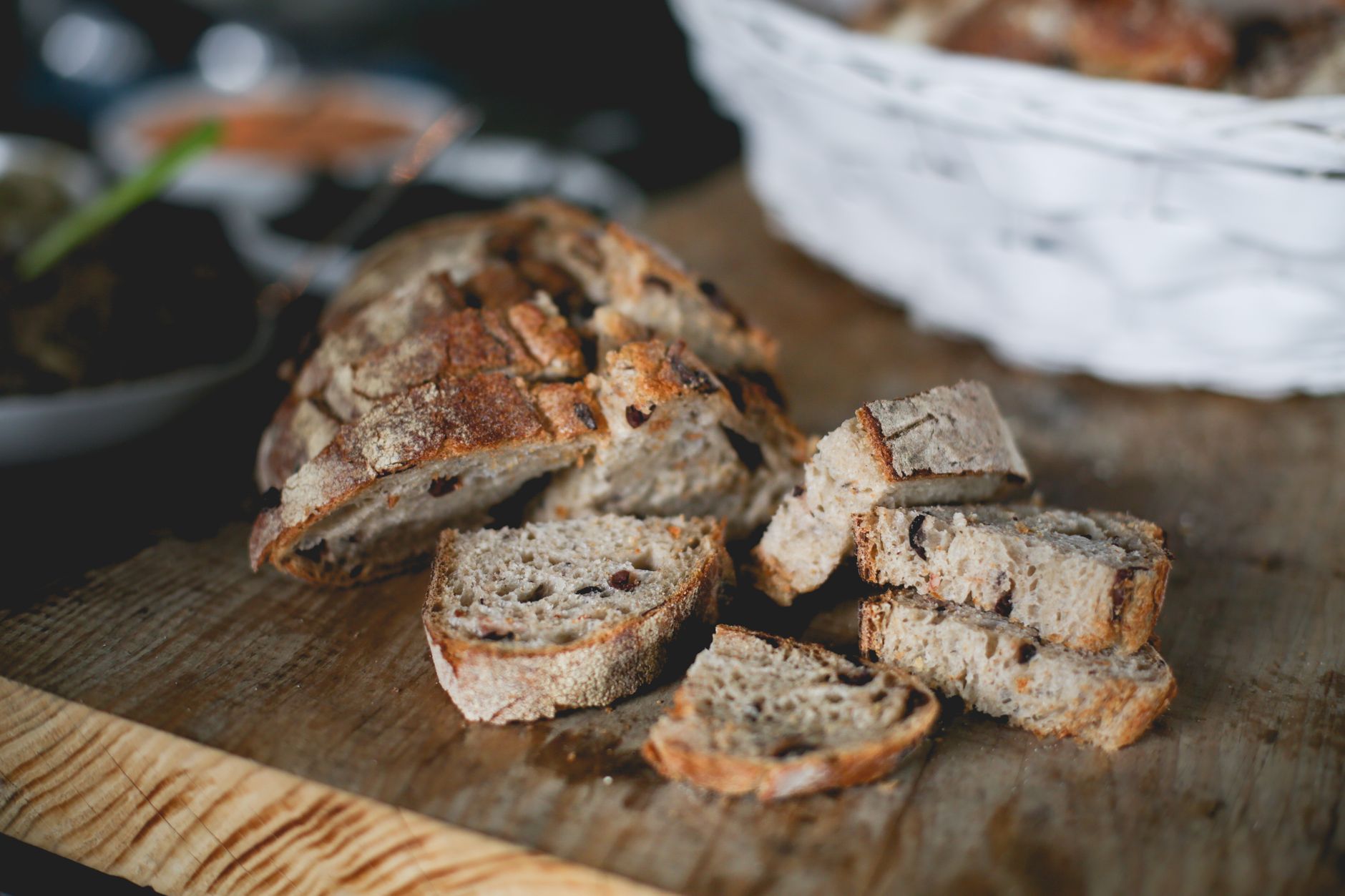
Many people automatically place bread in the refrigerator believing it will stay fresher longer. While refrigeration may seem like a smart way to prevent mold, it often creates entirely different problems that negatively affect taste, texture, and quality.
Bread behaves differently than many other foods because of the way starches react to cold temperatures. In fact, refrigeration can actually speed up the staling process instead of slowing it down.
For most breads, pantry storage or freezing is usually a far better option than refrigeration.
Bread Goes Stale Faster
One of the biggest reasons to avoid refrigerating bread is that cold temperatures accelerate staling.
The starch molecules inside bread recrystallize more quickly in refrigerator conditions, causing the bread to harden and dry out faster than it would at room temperature.
Even fresh bakery bread can become tough and chewy after only a day or two in the fridge.
While mold growth may slow slightly, the texture often becomes unpleasant long before spoilage becomes an issue.
The Texture Becomes Dry And Tough
Refrigerated bread often loses its soft texture surprisingly quickly.
Cold air removes moisture from the loaf, especially when bread is not tightly sealed.
Sandwich bread may become stiff around the edges, while artisan loaves can develop overly chewy crusts and dry interiors.
This texture change is especially noticeable with rolls, bagels, and sliced sandwich breads.
Fresh bread is designed to retain a balance of moisture and softness that refrigeration disrupts.
Bread Absorbs Refrigerator Odors
Bread easily absorbs surrounding odors because of its porous structure.
Inside a refrigerator, bread may pick up smells from:
- Onions
- Leftovers
- Garlic
- Cheese
These absorbed odors can dramatically affect flavor.
Even well-packaged bread sometimes develops strange tastes after spending several days in a refrigerator filled with strong-smelling foods.
Pantry storage usually protects bread flavor much better.
Refrigeration Ruins Artisan Bread
Artisan breads suffer especially badly when refrigerated.
Fresh sourdough, baguettes, ciabatta, and rustic loaves rely heavily on texture quality for their appeal.
Refrigeration softens crisp crusts while drying out the interior crumb.
Instead of maintaining the pleasant contrast between crunchy crust and soft interior, refrigerated artisan bread often becomes rubbery and lifeless.
Bakery-quality bread is generally meant to be enjoyed at room temperature within a few days.
Condensation Can Create Problems
Temperature fluctuations inside refrigerators may cause condensation to form inside bread packaging.
Excess moisture can make bread soggy in some spots while drying it out in others.
Condensation becomes especially problematic when bread is repeatedly moved between room temperature and refrigeration.
The moisture imbalance can negatively affect texture and flavor throughout the loaf.
In some cases, trapped moisture may even encourage mold growth despite refrigeration.
Freezing Works Better Than Refrigeration
If bread needs long-term storage, freezing is usually far superior to refrigeration.
Frozen bread maintains texture much more effectively because freezing halts the staling process instead of accelerating it.
Many breads thaw surprisingly well within an hour at room temperature.
Slices can also go directly into toasters without thawing first.
Freezing helps preserve:
- Freshness
- Texture
- Flavor
- Moisture balance
For people who buy bread in bulk, the freezer is often the ideal solution.
Why People Refrigerate Bread Anyway
Many consumers refrigerate bread because they worry about mold.
Warm, humid kitchens can indeed encourage mold growth faster than cooler environments.
However, refrigeration often trades one problem for another by ruining bread quality long before mold would naturally appear.
Modern preservatives in many commercial breads already extend shelf life significantly at room temperature.
Short-term pantry storage is usually perfectly safe for most packaged breads.
Better Ways To Store Bread
The best bread storage methods typically include:
- Bread boxes
- Cool pantries
- Paper bags for artisan loaves
- Airtight containers for sandwich bread
Proper airflow and moderate temperatures help maintain freshness longer.
Avoiding direct sunlight and excessive humidity also makes a major difference.
Conclusion
Refrigerating bread may seem helpful, but it usually causes faster staling, dry texture, odor absorption, condensation problems, and ruined crust quality. Artisan loaves and sandwich breads alike tend to perform far better when stored at room temperature or frozen for longer-term use. Understanding how cold temperatures affect bread can help preserve freshness, flavor, and texture far more effectively than refrigeration ever will.



Leave a Reply