
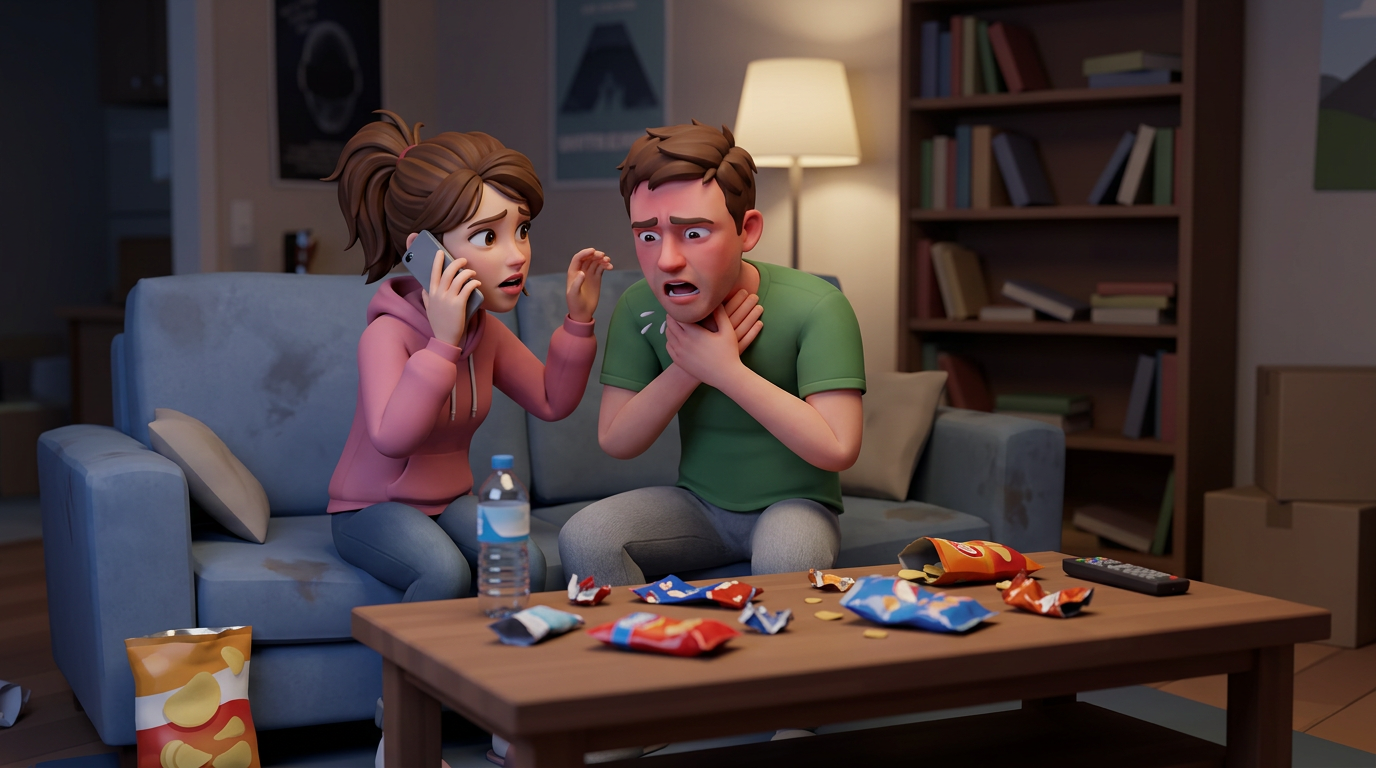
Snack foods are designed to be quick, convenient, and enjoyable, but not all snacks are as harmless as they seem. While most packaged and restaurant-style snacks are safe when properly prepared and consumed, some can become dangerous under certain conditions.
Risks often come from food allergies, improper storage, undercooking, or ingredients that are too spicy or chemically intense for some people. Even popular fast-food snacks from places like McDonald’s or Taco Bell can pose unexpected health concerns if mishandled or consumed excessively.
EXTREME SPICY CHIPS
Ultra-spicy chips and snacks have become a viral trend, often featuring concentrated chili extracts like capsaicin. While marketed as fun challenges, these products can cause intense reactions in some individuals.
Symptoms may include severe stomach pain, nausea, vomiting, and in rare cases, difficulty breathing or dehydration. Young people and those with sensitive stomachs are especially at risk.
Even fast-food promotions inspired by extreme spice trends—similar to limited-time offerings at Burger King—have drawn attention for their heat levels.
RAW COOKIE DOUGH PRODUCTS
Pre-packaged cookie dough snacks are popular, but raw dough containing untreated flour or eggs can pose risks. Harmful bacteria such as Salmonella or E. coli may survive if ingredients are not heat-treated.
Eating large amounts of raw dough can lead to gastrointestinal distress or more serious foodborne illness. Even “safe-to-eat” versions should be consumed according to packaging instructions.
UNCOOKED MICROWAVE SNACKS
Some frozen or packaged snacks are designed for microwave preparation, but when undercooked, they can become hazardous. Cold centers in items like stuffed pastries or snack pockets may harbor bacteria.
Improper heating can result in uneven temperatures, leaving parts of the food unsafe to eat. This is especially common in rushed preparation or faulty microwave settings.
HIGH-CAFFEINE ENERGY SNACKS
Energy gels, caffeinated gummies, and similar snack products can contain extremely high levels of caffeine. When consumed in excess, they may cause heart palpitations, dizziness, or anxiety.
These snacks are often used by athletes but can be dangerous for children or individuals sensitive to stimulants. Overconsumption can quickly escalate into a medical concern.
Some fast-food dessert promotions inspired by energy trends at places like Dunkin’ have also raised concerns about sugar and caffeine combinations.
PREPACKAGED SEAFOOD SNACKS
Certain seafood-based snack items, such as shrimp chips or dried fish snacks, can pose risks if improperly stored. Moisture exposure can lead to bacterial growth or spoilage.
In rare cases, contaminated seafood snacks can cause food poisoning symptoms such as nausea, vomiting, and abdominal cramps. Proper storage is essential to avoid these issues.
HIGH-SODIUM INSTANT RAMEN SNACKS
Instant ramen and similar snack cups are extremely high in sodium, which can be problematic when consumed in large quantities or by individuals with health conditions.
Excess sodium intake can lead to dehydration, elevated blood pressure, and in severe cases, electrolyte imbalance. Improper preparation—such as consuming raw noodles—can also cause digestive issues.
ALLERGY-TRIGGER SNACK FOODS
Many packaged snacks contain common allergens such as peanuts, tree nuts, dairy, soy, or gluten. Cross-contamination in manufacturing facilities can also pose hidden risks.
For individuals with severe allergies, even trace amounts can trigger reactions requiring immediate medical attention. Fast-food snacks at chains like Subway often require careful ingredient awareness.
Common risk factors in snack foods include:
- Undeclared allergens
- Improper cooking or heating
- Excessive spice or caffeine levels
- Poor storage conditions
CONCLUSION
While snack foods are generally safe and enjoyable, certain types can pose health risks under specific conditions. Awareness of ingredients, preparation methods, and portion sizes is key to avoiding unwanted reactions.
By understanding these risks, consumers can make smarter choices and enjoy snacks without unnecessary health concerns.



Leave a Reply