
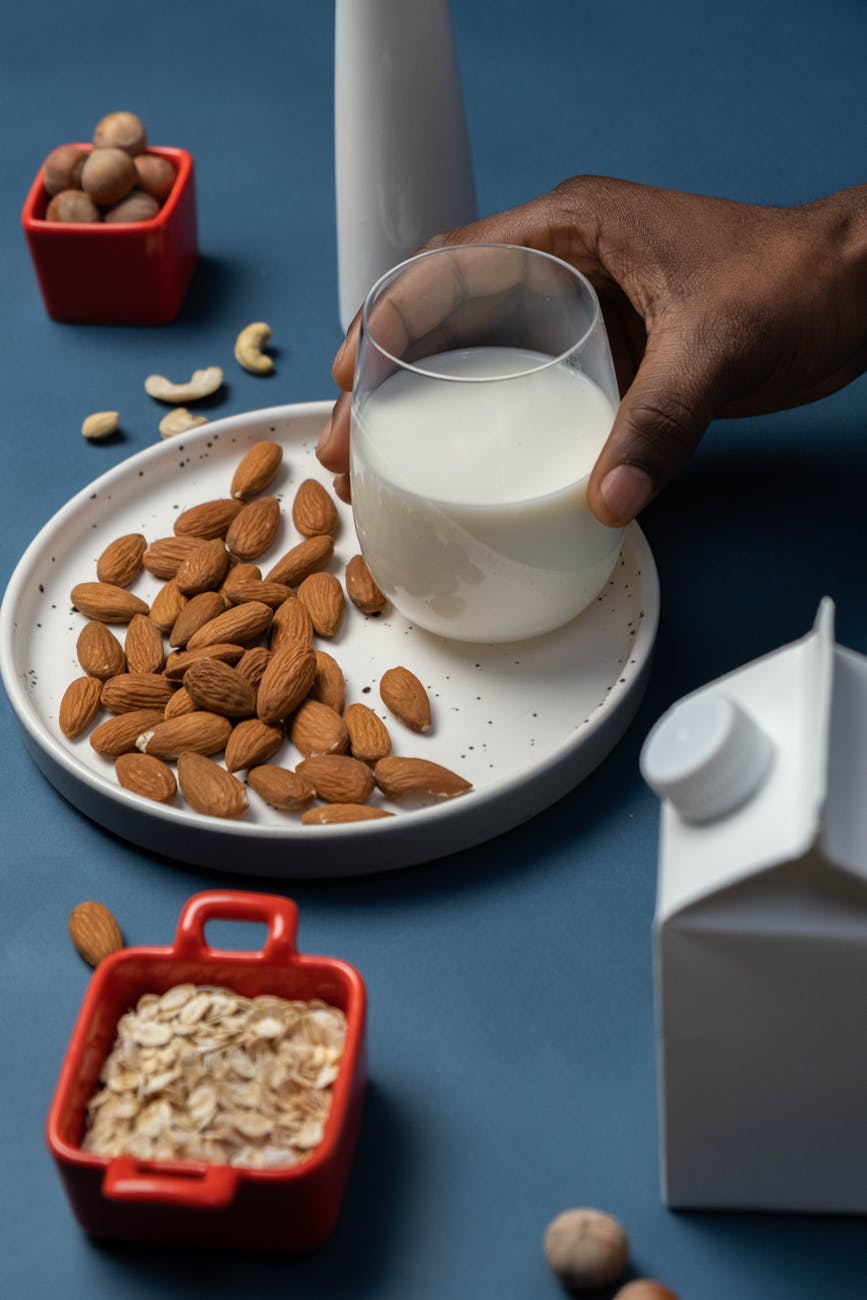
Lactose intolerance affects millions of people worldwide, making it difficult to enjoy traditional dairy milk without discomfort. Fortunately, the modern grocery aisle offers a wide range of alternatives that provide similar texture, nutrition, and versatility without the digestive drawbacks.
From plant-based options to specially processed dairy, there are many choices that can fit different dietary needs and taste preferences. Some are naturally lactose-free, while others are modified to remove lactose while keeping the familiar dairy flavor. Here are six of the best milk options for anyone managing lactose intolerance.
ALMOND MILK
Almond milk is one of the most popular dairy alternatives due to its light texture and mild, slightly nutty flavor. It is naturally lactose-free, making it a safe and widely available option.
Many people choose almond milk because it is lower in calories than cow’s milk, especially in its unsweetened form. It works well in cereal, smoothies, and coffee, though it may be thinner than traditional milk in cooking.
Fortified versions often include added calcium and vitamin D, helping it more closely match the nutritional profile of dairy milk.
OAT MILK
Oat milk has become a favorite in coffee shops and homes alike thanks to its creamy texture and naturally sweet taste. It is made by blending oats with water and straining the mixture.
Unlike some plant-based milks, oat milk has a rich consistency that makes it especially good for lattes and baking. It also foams well, which is why it is popular among baristas.
One advantage of oat milk is its environmental footprint, which is generally lower than that of dairy and some nut-based milks. However, it can contain more carbohydrates than other alternatives.
SOY MILK
Soy milk is one of the oldest and most nutritionally comparable alternatives to cow’s milk. It is made by soaking and grinding soybeans, then filtering the liquid.
Soy milk typically contains more protein than most other plant-based milks, making it a strong option for those looking to maintain a balanced diet. Its taste is slightly bean-like but has improved significantly in modern formulations.
Many brands fortify soy milk with calcium, vitamin B12, and vitamin D to better mimic dairy milk’s nutritional benefits.
LACTOSE-FREE DAIRY MILK
Lactose-free milk is real cow’s milk that has been treated with the enzyme lactase to break down lactose. This makes it easier to digest for people with lactose intolerance.
It tastes very similar to regular milk, which makes it an easy substitute for those who still enjoy dairy flavor. It can be used in cooking, baking, or drinking straight from the glass.
This option is especially helpful for individuals who want the nutritional benefits of dairy without the digestive discomfort.
COCONUT MILK BEVERAGE
Coconut milk beverage is a lighter version of traditional canned coconut milk, designed specifically for drinking. It has a naturally sweet, tropical flavor and creamy texture.
This milk alternative is naturally lactose-free and works well in smoothies, cereal, and desserts. However, it has a distinct coconut taste that may not suit every recipe.
Many brands fortify coconut milk beverages with calcium and vitamins, making them more nutritionally balanced for daily use.
CASHEW MILK
Cashew milk is known for its smooth, creamy texture and subtle nutty flavor. It is made by blending cashews with water and straining the mixture.
Cashew milk is naturally rich and less watery than some other plant-based options, making it great for coffee, sauces, and creamy soups. Its mild taste allows it to blend easily into recipes without overpowering other flavors.
Many people appreciate cashew milk for its versatility and naturally lactose-free composition.
CONCLUSION
Lactose intolerance no longer means giving up milk entirely. Today’s alternatives offer a wide range of flavors, textures, and nutritional profiles to suit different preferences and dietary needs.
Whether you prefer nut-based, grain-based, or modified dairy options, there is a milk substitute that can fit seamlessly into your daily routine without discomfort.



Leave a Reply