

Cream cheese is a staple in many kitchens, used for everything from bagels to dips to baking recipes. While traditional cream cheese has long been the standard, whipped cream cheese has quietly become a favorite for many home cooks and food lovers.
Its lighter texture and easier spreadability make it especially appealing for quick breakfasts and snack prep. Beyond convenience, it also changes how cream cheese is experienced in everyday cooking.
Understanding the differences between the two can help you decide when to switch things up. In many cases, whipped cream cheese offers advantages that make it the more practical and enjoyable option.
EASIER TO SPREAD RIGHT OUT OF THE FRIDGE
One of the biggest frustrations with traditional cream cheese is how hard it can be straight from the refrigerator. Whipped cream cheese, on the other hand, stays soft and spreadable even when cold.
This makes it perfect for rushed mornings when you do not want to wait for anything to soften. It glides easily onto toast, bagels, and crackers without tearing the bread.
The airy texture comes from air being whipped into the mixture, which keeps it light and smooth. That small difference dramatically improves usability in everyday meals.
LIGHTER TEXTURE FEELS LESS HEAVY
Whipped cream cheese has a noticeably lighter mouthfeel compared to dense traditional blocks. This makes it feel less rich and heavy while still delivering the same tangy flavor.
For people who enjoy cream cheese but find it too thick or filling, the whipped version offers a more balanced experience. It is easier to enjoy in larger quantities without feeling overwhelmed.
This lighter consistency also blends more smoothly into recipes. It works especially well in dips and spreads where a creamy but airy texture is preferred.
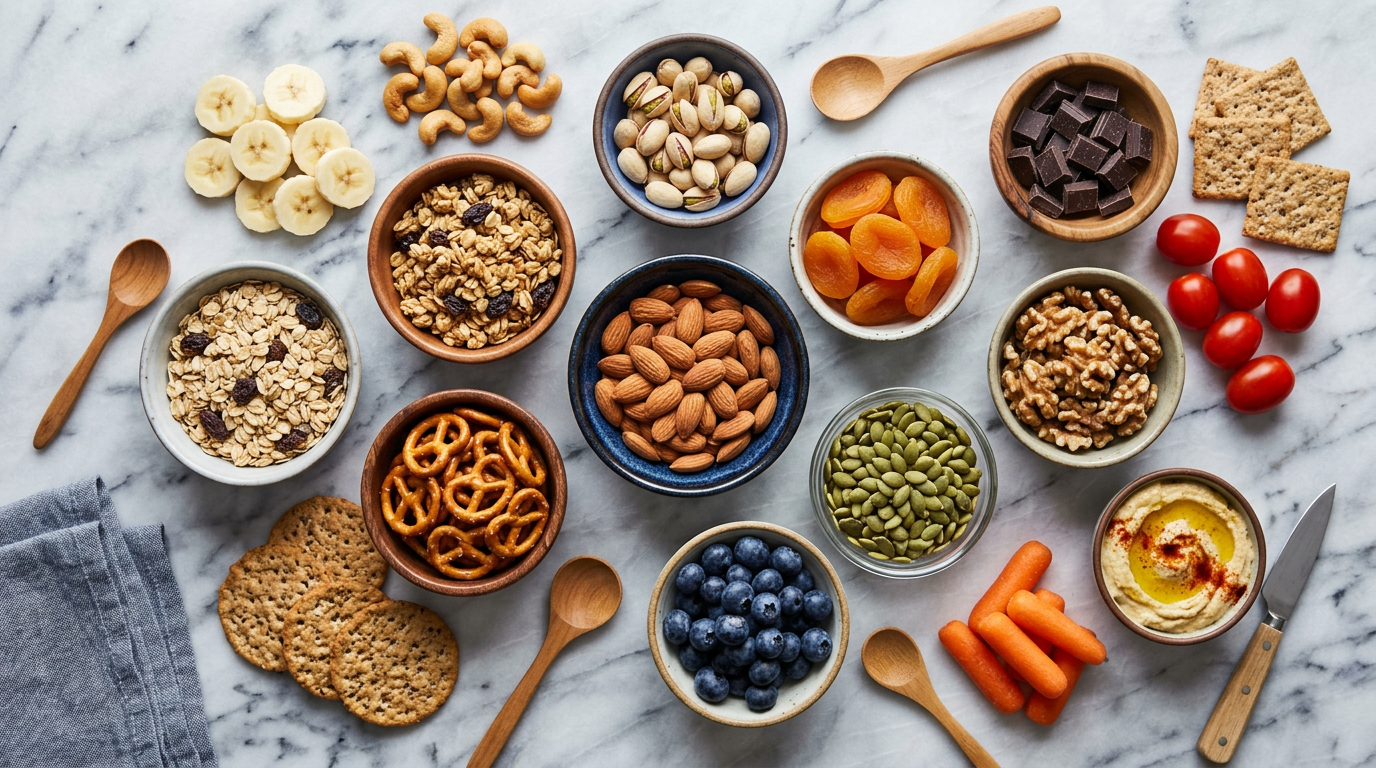
BETTER FOR LOW-STRESS SNACK PREP
When preparing snacks or quick appetizers, whipped cream cheese simplifies the process. It does not require softening, mixing, or additional ingredients to become usable.
This convenience makes it ideal for quick entertaining or last-minute meals. You can open the container and immediately start spreading or mixing.
It also saves time when assembling party platters. A ready-to-use texture means fewer steps and less cleanup in the kitchen.
BLENDS MORE EASILY INTO RECIPES
Whipped cream cheese integrates more smoothly into both sweet and savory recipes. Its airy structure allows it to mix quickly without leaving lumps or clumps behind.
This makes it especially useful for cheesecakes, frostings, and creamy dips. It also works well in pasta sauces or stuffed vegetable fillings.
In many cases, it reduces the need for extra mixing or thinning ingredients. That helps maintain a consistent texture throughout the dish.
LOWER PERCEIVED DENSITY, SAME FLAVOR
Even though whipped cream cheese feels lighter, it still delivers the same signature tangy flavor as traditional versions. The difference is in texture, not taste intensity.
This allows people to enjoy cream cheese flavor in a less dense form. It can make richer foods feel more balanced overall.
Because of the air incorporated into it, portions can also feel more satisfying visually. A smaller amount often spreads further than expected.
MORE VERSATILE FOR DAILY USE
Whipped cream cheese adapts easily to a wide range of uses. It works just as well on breakfast foods as it does in cooking or baking applications.
Its smooth consistency makes it suitable for both sweet and savory combinations. From fruit toast toppings to creamy sandwich spreads, it fits almost anywhere.
Common uses include:
- Bagels and toast spreads
- Dip bases for vegetables or chips
- Cheesecake fillings
- Sandwich and wrap spreads
- Light dessert toppings
This versatility makes it a convenient pantry staple for everyday meals.
CONCLUSION
Whipped cream cheese offers a combination of convenience, texture, and versatility that makes it an appealing alternative to traditional cream cheese. Its soft consistency and easy spreadability simplify everyday meals while still delivering familiar flavor.
For anyone looking to save time in the kitchen or enjoy a lighter texture without sacrificing taste, it provides a practical upgrade. Small changes like this can noticeably improve both cooking ease and overall food enjoyment.


Leave a Reply